October 21, 2026
Concrete swimming pools have become an increasingly popular investment among homeowners seeking durability, customization, and long-term property improvements. Unlike prefabricated alternatives, concrete pools offer flexibility in design while providing a permanent recreational feature. Homeowners working with local swimming pool contractors can create personalized outdoor spaces that complement their properties and lifestyles. From enhancing backyard entertainment to supporting fitness and relaxation, these pools provide numerous advantages. Understanding their construction, maintenance requirements, and potential benefits helps homeowners determine whether a concrete swimming pool is the right investment.
1. Understanding the Durability of Concrete Swimming Pools
Concrete swimming pools are recognized for their exceptional strength and resistance to everyday wear. Their reinforced structures can withstand substantial water pressure and regular recreational activity. Unlike vinyl liners, concrete surfaces are not vulnerable to punctures, making them appealing to homeowners seeking a permanent installation. According to HomeGuide, a properly maintained concrete pool can last 50 years or longer, demonstrating its potential as a lasting investment.
However, longevity depends on proper construction, soil conditions, water chemistry, and ongoing maintenance. Concrete pools occasionally require resurfacing, crack repairs, and other improvements to preserve their appearance and functionality. Consulting experienced local swimming pool contractors helps homeowners understand appropriate construction methods and maintenance expectations. With professional installation and consistent care, these pools can provide decades of recreational enjoyment.
2. Withstanding Different Weather Conditions
Concrete swimming pools are designed to perform under various environmental conditions, including intense sunlight, seasonal temperature changes, and heavy rainfall. Their reinforced construction provides structural stability when properly engineered for local soil and climate conditions. This resilience makes concrete a practical material for homeowners seeking a durable backyard feature.
Nevertheless, freezing temperatures, shifting soil, and inadequate drainage can damage any swimming pool. Appropriate reinforcement, expansion considerations, and winterization practices help protect the structure. Homeowners should discuss regional weather patterns with their builders before construction begins. Proper planning reduces the likelihood of preventable damage and supports long-term structural performance.
3. Exploring Custom Shapes and Sizes
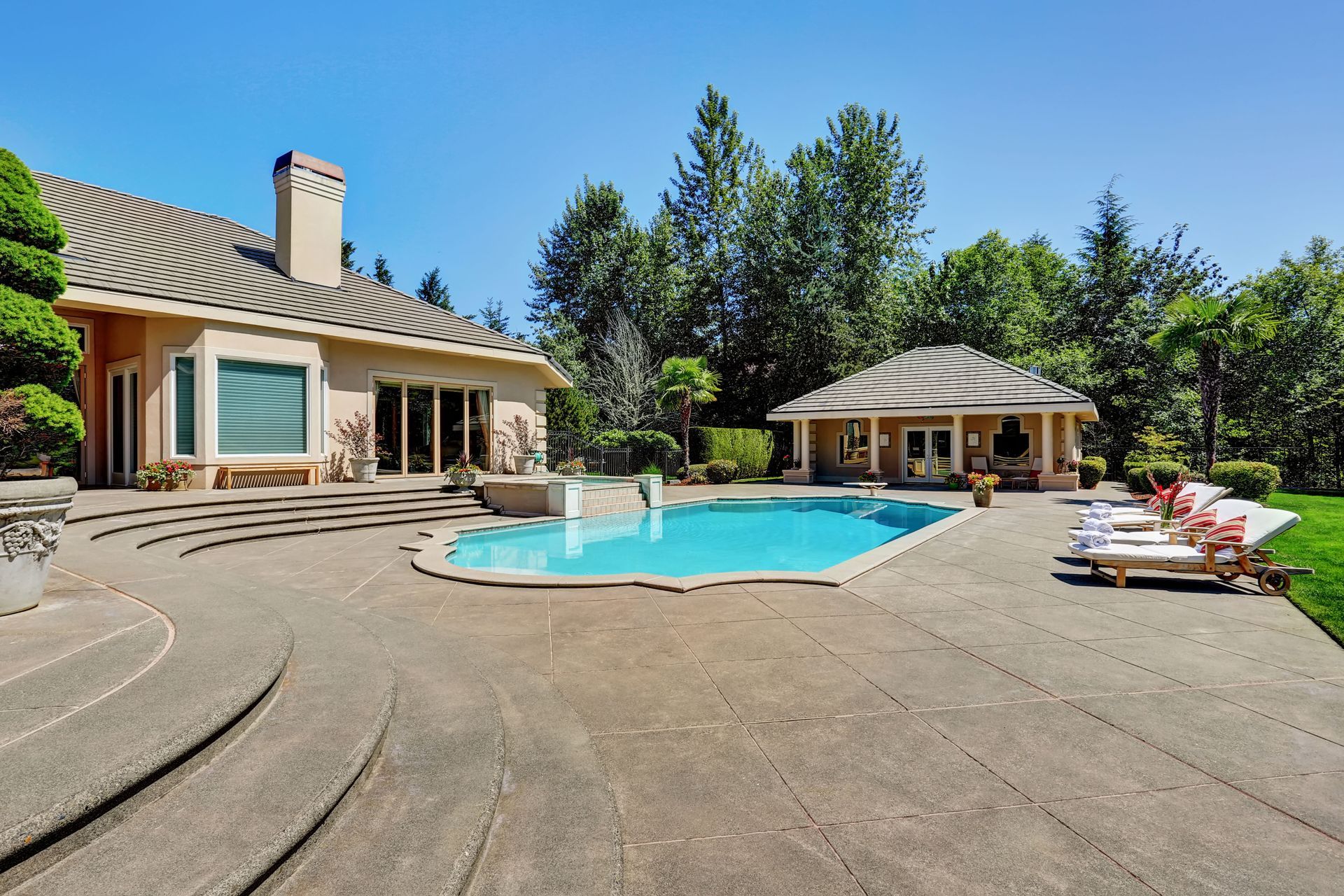
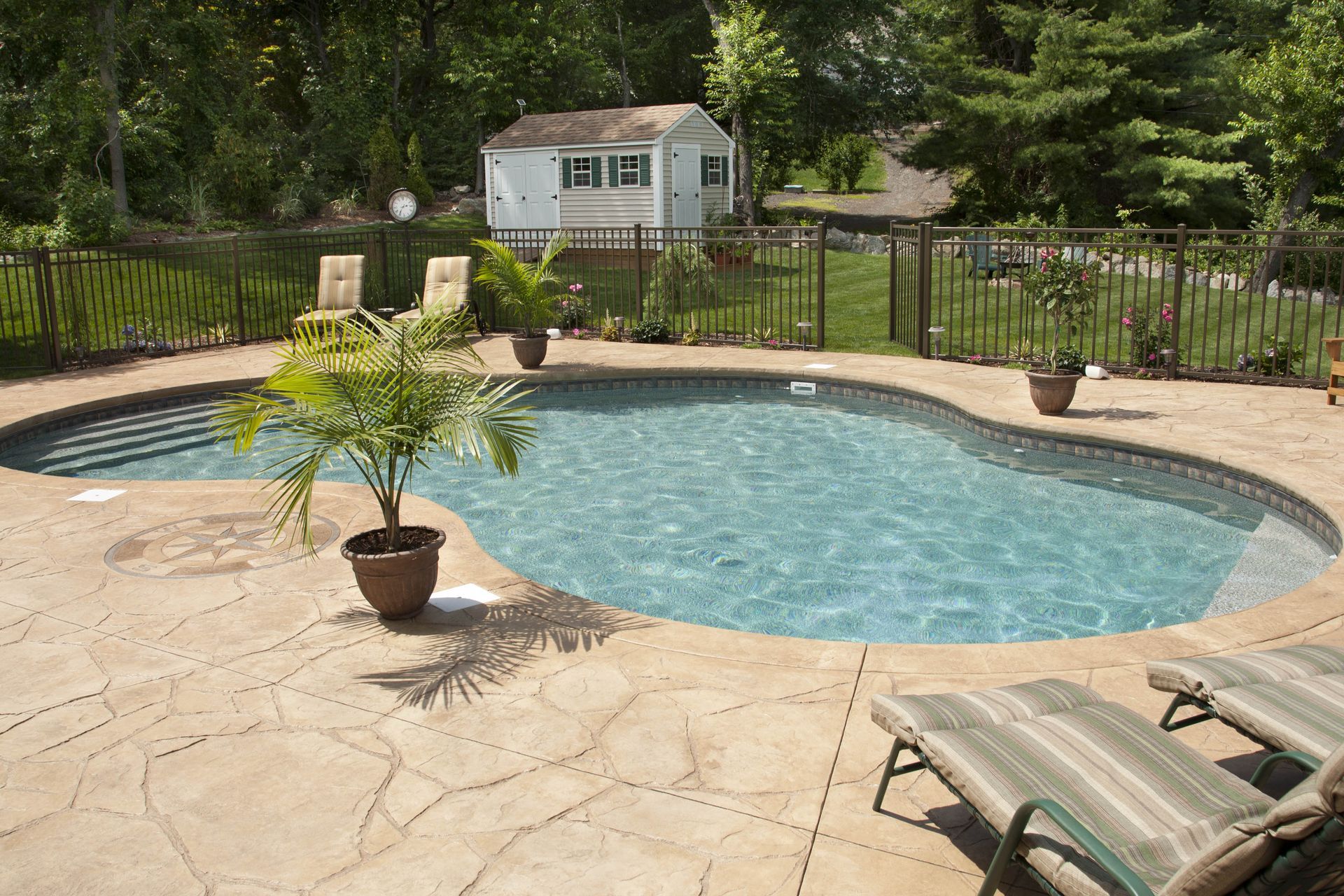
One of the most significant advantages of concrete swimming pools is their extensive customization potential. Unlike prefabricated designs, concrete construction allows homeowners to select shapes, dimensions, and layouts that accommodate their available outdoor space. Rectangular lap pools, curved lagoon-style designs, and compact plunge pools can all be developed according to individual preferences.
Experienced local swimming pool contractors can evaluate property dimensions, grading, accessibility, and landscaping requirements before recommending suitable designs. This flexibility is particularly beneficial for irregularly shaped backyards where standard pool configurations might not fit comfortably.
Homeowners can also incorporate varying depths, tanning ledges, integrated seating, and designated swimming areas. These personalized features help create an outdoor environment that accommodates recreation, relaxation, and entertainment while maintaining a cohesive appearance.
4. Incorporating Unique Design Features
Concrete swimming pools provide opportunities to incorporate distinctive architectural and decorative elements. Homeowners can select geometric designs, natural curves, decorative tilework, waterfalls, integrated spas, and modern lighting systems. These additions transform an ordinary swimming area into an attractive extension of the home.
Surface finishes further enhance customization possibilities. Popular options include traditional plaster, quartz, pebble, and glass bead finishes. Each material offers different textures, appearances, maintenance considerations, and durability characteristics. Selecting an appropriate finish helps homeowners balance visual appeal with long-term performance.
Surrounding landscaping can also complement the pool's design. Coordinated patios, garden beds, outdoor kitchens, and shaded seating areas create inviting spaces for everyday enjoyment. Thoughtful integration ensures that the swimming pool enhances the property's existing architecture rather than appearing disconnected from its surroundings.
5. Enhancing Property Value and Market Appeal
A professionally constructed concrete swimming pool can improve a home's market appeal, particularly in regions where outdoor recreation is highly desirable. Potential buyers may appreciate the convenience of having a permanent swimming area without undertaking a separate construction project. Attractive landscaping and well-maintained amenities can further distinguish a property from competing listings.
However, the financial return depends on local housing demand, climate, installation expenses, and buyer preferences. Swimming pools do not automatically increase property values enough to recover their full construction costs. Homeowners should consider both personal enjoyment and potential resale benefits when evaluating their investment.
Working with reputable local swimming pool contractors can help homeowners develop designs that complement their property's overall character. Quality workmanship, appropriate materials, and documented maintenance may also make the installation more appealing to prospective buyers. A thoughtfully planned swimming pool can become a distinctive feature that contributes to the home's desirability.
6. Creating Opportunities for Family Entertainment
Concrete swimming pools offer convenient settings for family gatherings, celebrations, and everyday recreation. Homeowners can organize weekend barbecues, poolside dinners, birthday parties, and casual get-togethers without leaving their properties. Comfortable seating, decorative lighting, and surrounding entertainment areas make these spaces suitable for different occasions.
Families can also incorporate features that accommodate varying recreational interests. Shallow lounging areas, basketball hoops, volleyball nets, and designated swimming sections encourage active participation. Appropriate supervision and safety precautions remain essential, particularly when children or inexperienced swimmers are present.
Beyond organized gatherings, a backyard pool provides opportunities for spontaneous family activities. Swimming together, enjoying warm afternoons, and relaxing outdoors can strengthen relationships while creating lasting memories. This accessibility makes pool ownership appealing to homeowners who prioritize shared recreational experiences.
7. Supporting Fitness and Personal Relaxation
Swimming provides a low-impact form of exercise that supports cardiovascular fitness, muscular endurance, and flexibility. Having a private pool allows homeowners to incorporate aquatic activity into their schedules without traveling to public recreational facilities. Concrete designs can accommodate lap lanes, resistance jets, and exercise-friendly depths.
Swimming pools also provide inviting environments for relaxation. Homeowners can unwind after demanding workdays, enjoy peaceful mornings outdoors, or spend quiet evenings beside the water. Integrated spas, comfortable lounging areas, and gentle water features can enhance the atmosphere.
Homeowners consulting local swimming pool contractors can discuss features that support both recreational and wellness goals. Considering accessibility, seating arrangements, and swimming preferences during planning helps ensure the finished pool accommodates changing household needs over time.
8. Incorporating Important Safety Features
Safety should remain a central consideration throughout swimming pool construction. Concrete pools allow homeowners to incorporate customized depth transitions, textured decking, clearly marked steps, and appropriately positioned handrails. These features can improve accessibility and help reduce certain hazards around the swimming area.
Protective barriers are particularly important for households with children. Properly installed fencing, self-closing and self-latching gates, alarms, and compliant safety covers provide additional layers of protection. Pool covers should meet applicable safety standards when intended to prevent accidental entry.
Reliable circulation and sanitation systems also contribute to safer swimming conditions. Proper filtration removes suspended debris, while maintaining appropriate disinfectant levels and water chemistry helps control harmful microorganisms. Homeowners should follow applicable safety regulations and establish consistent maintenance routines. No safety feature replaces active supervision around water.
9. Improving Energy Efficiency and Sustainability
Modern concrete swimming pools can incorporate equipment designed to reduce energy consumption and operating expenses. Variable-speed pumps, efficient filtration systems, LED lighting, and appropriately sized heating equipment offer opportunities for improved performance. Automated controls allow homeowners to adjust operating schedules according to usage patterns.
Solar heating systems can also help maintain comfortable swimming temperatures while reducing reliance on conventional heating sources. Pool covers limit evaporation and heat loss, potentially conserving water and lowering heating requirements. These improvements support more efficient operation throughout the swimming season.
Ultimately, concrete swimming pools offer a compelling combination of durability, design flexibility, entertainment opportunities, and potential property appeal. Their customizable construction allows homeowners to develop outdoor environments that reflect individual preferences while supporting fitness, relaxation, and family recreation. With careful planning, appropriate safety measures, and ongoing maintenance, a concrete swimming pool can become a valuable lifestyle investment that enhances everyday enjoyment and complements the home for decades. Contact our team at XLNT Pools today and learn more about our swimming pool maintenance services.